
 Loading...
BaDoinkVR was experimenting with virtual-reality filming before most people even owned a headset. The studio began putting out VR content almost a full year before devices like Oculus Rift or HTC Vive went mainstream, which is why many long-time fans still see it as one of the pioneers of the format. Over the years, the catalog grew steadily — by early 2023 it had already passed 670 scenes, and new releases continue to show up every week.
One thing BaDoinkVR has always done well is adapting quickly to new technology. They moved into 5K production back in 2018, long before it became common, and then pushed things further by shooting more than a hundred scenes in 7K. At the time, only a handful of VR studios were working at that level of clarity.
Early Experiments and Steady Improvements
The oldest videos on the site date back to 2015, and watching them now is like looking through a timeline of how VR filming matured. You can see the early mistakes — odd proportions, imperfect depth — but you also see how fast the team figured things out. Within a short span, their work became noticeably cleaner and more natural to watch inside a headset.
BaDoinkVR has always put effort into making their scenes easy to play on almost any device. Each video usually comes in several formats so it can run on Daydream, Gear VR, PlayStation VR, Oculus, Vive, and even older mobile setups. They also offer multiple resolutions, which helps people with slower connections avoid buffering problems.
Streaming is smooth as well. Tests on standalone headsets like the Oculus Go showed that the videos load without drama, and you can even switch quality levels from inside VR — something surprisingly few platforms still support.
A Browsing System That Feels Built for VR
In 2017, BaDoinkVR rolled out an unusual but extremely practical feature: Hands-Free Theater Mode. When you open the site in VR on a phone-based headset, the interface switches to a mode where menus follow your head movement. Instead of taking the phone out every time you want to click something, you just look at the option you want. It sounds small, but it makes long browsing sessions significantly more comfortable.
Member Area and Organization
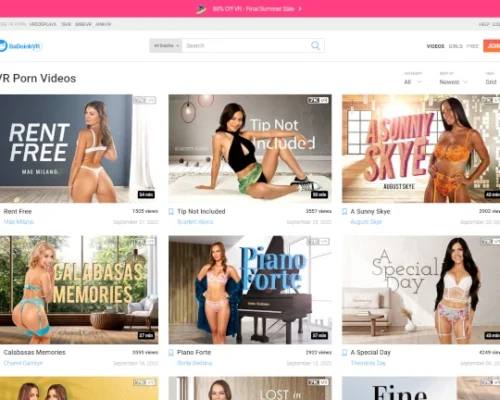
The subscriber interface is simple and clean. The main hub includes dozens of filters — nearly forty — that let you sort scenes by theme, location, technical specs, or performer. It only takes a click to shuffle between the newest videos or browse performers alphabetically.
Members get two updates each week, and every download has mirrored links for easier access if one server is busy.
There’s also a BaDoink VIP bonus library. It’s more traditional, not as sleek as the VR section, but it’s still extra content for people who want more variety.
Performers and Community
Over time, BaDoinkVR has brought in a mix of European and American performers, including several names that rarely appear in VR projects. Every scene includes a discussion thread where users can leave comments or ask questions.
The Exclusive Stars section adds a bit of community feel — members can follow performer profiles, join conversations, and even pitch ideas for future shoots. BaDoinkVR has hosted a few AMA sessions on Reddit as well, which helped the brand stay connected with its followers.
Final Thoughts
BaDoinkVR remains one of the easiest ways for newcomers to get into VR entertainment. It’s reliable, consistently updated, and polished in ways that newer studios often aren’t. For experienced VR users, the appeal is the same: a large catalog, strong technical quality, and continued development of high-resolution formats like 7K.
Between its device compatibility, clean interface, and long history of experimentation, BaDoinkVR has earned its place as one of the key studios shaping what VR media looks like today.